AI Experiments
I build things to understand them. Cursor, workflow prototypes, small apps.
Not because I have all the answers, but because hands-on is the only way I know how to learn.
I design complex products for people working inside complex systems.
From enterprise logistics to financial platforms, I've helped teams turn messy workflows into clear, scalable experiences.
The hardest problems are never about the interface. They are about understanding people, systems, and the decisions happening underneath.
I work across the full product lifecycle, from discovery to deployment, bringing together people, technology, and business goals to create experiences that make complex systems feel simple.
End to end is my preference. I love the kickoff, the ambiguity, the moment before anything is decided.
But I'm equally comfortable jumping into an existing project, reading the room, and picking up where someone else left off. Every stage of the process is familiar ground.
Start
Research, stakeholder interviews, problem framing
Synthesis, strategy, success metrics
Wireframes, prototypes, design systems
User testing, iteration, feedback loops
Engineering partnership, QA, handoff
Deployment, launch, real-world impact
Deliver
We're not designing interfaces anymore. We're designing behaviors. And as machines move faster, the gap between what AI delivers and what users actually trust is growing.
The new design problem is validation, building the transparency and stop gaps that keep humans confident inside systems they can't fully predict.
I build things to understand them. Cursor, workflow prototypes, small apps.
Not because I have all the answers, but because hands-on is the only way I know how to learn.
I've been weaving AI into real project work, from enterprise UX to personal builds.
These are honest takes from someone actively figuring out where it fits and where it gets in the way.
I use AI daily. Planning, research, strategy, and yes, vibe coding.
Enough reps to have a point of view. Enough curiosity to know I'm just getting started.
The design work and the hand work come from the same place. A belief that craft matters, details matter, and the final execution is never an afterthought.
I respect the details, the process, and the final execution.
The best designers keep learning, experimenting, and asking better questions.
The goal is not more technology. The goal is better experiences for people.
After decades in product design, one thing has always mattered most to me: trust. Trust with my clients. Trust with my users. Trust was once gained through design consistency, I find new design trends build it through clear transparency.
With AI in the picture, the design problem has changed. It's no longer about static interfaces. It's about behavior, knowing when to let the system lead and when to pull the human back in. The spaces between what AI delivers and what a person actually needs, that's where the real design work lives now.

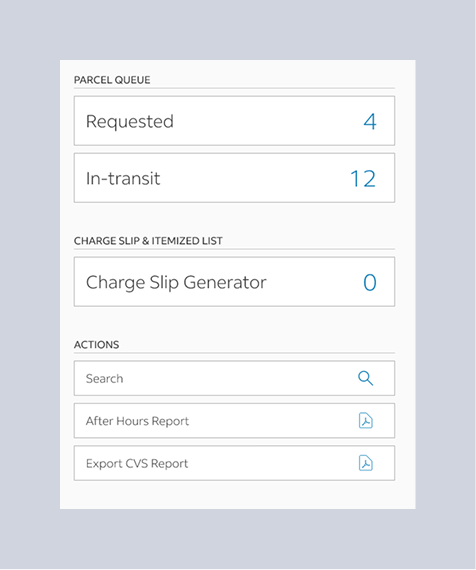
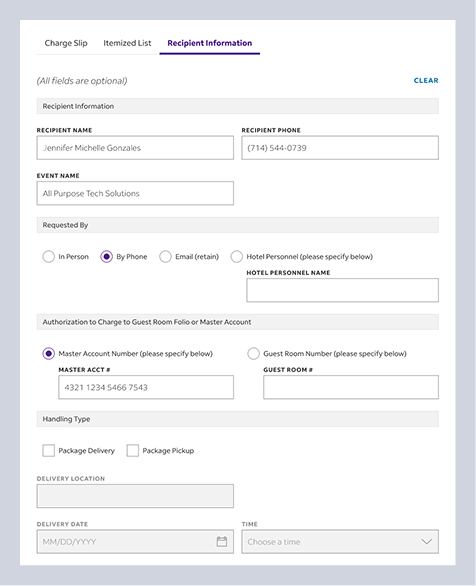
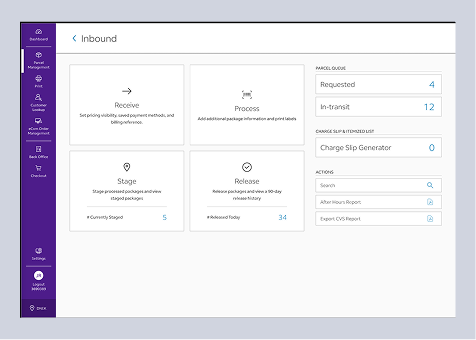
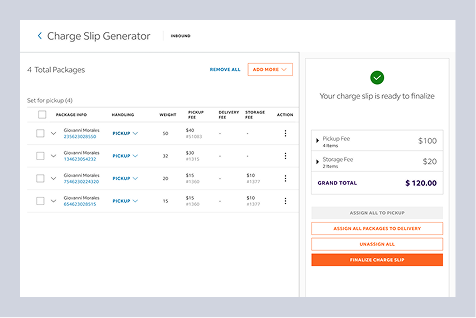
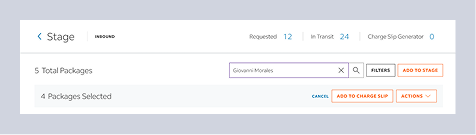
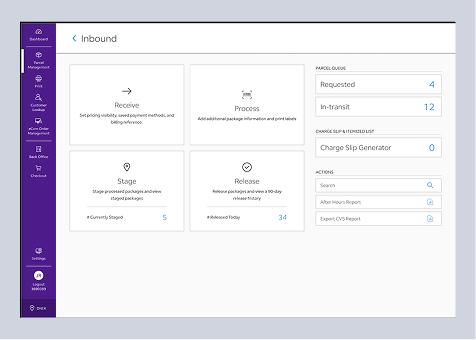
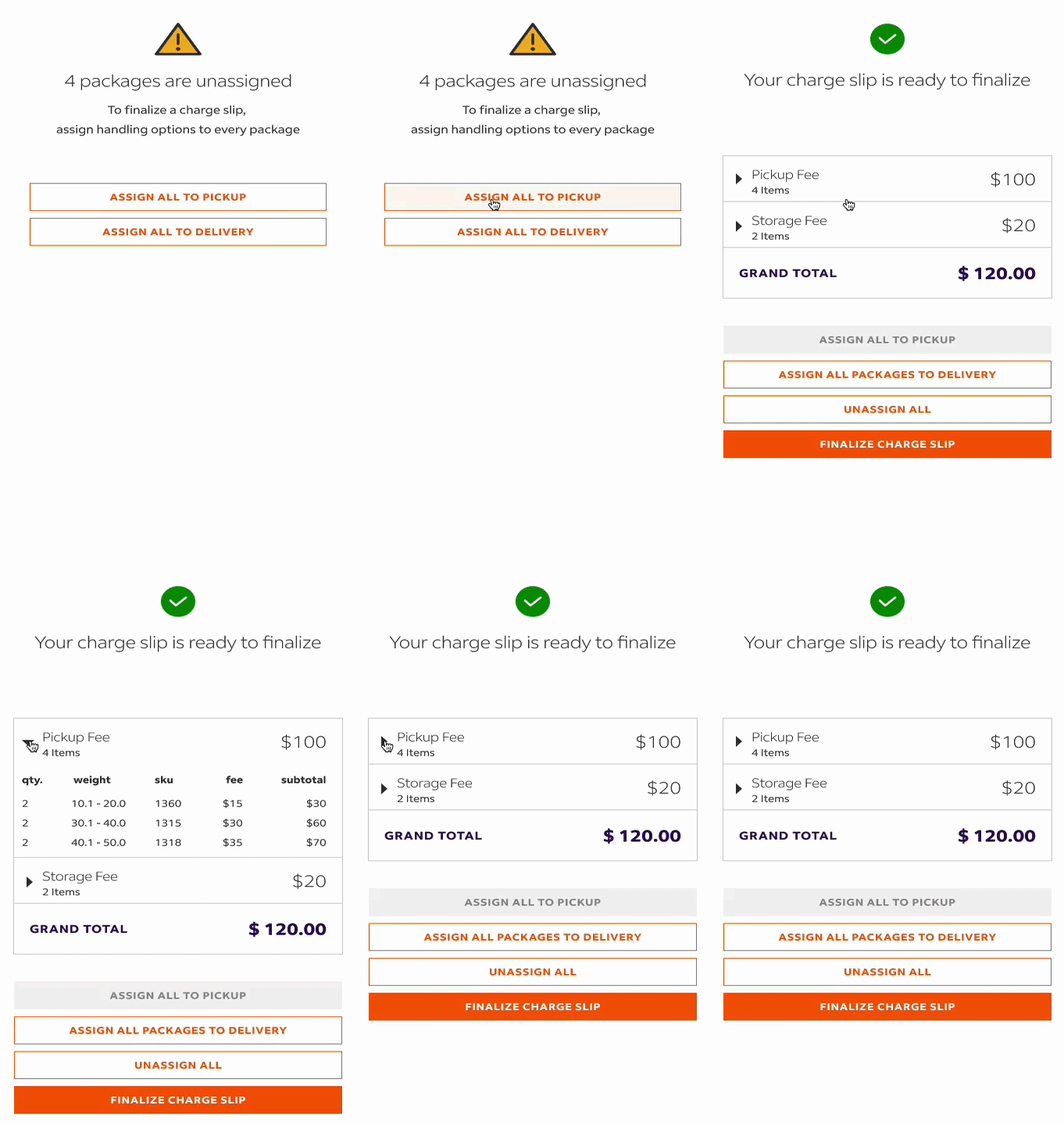
Parcel Management, Redesigned From the Ground Up
View projectLearning paths that actually get found.
Clarity for high-stakes banking moments.
AI assistant design at carrier scale.